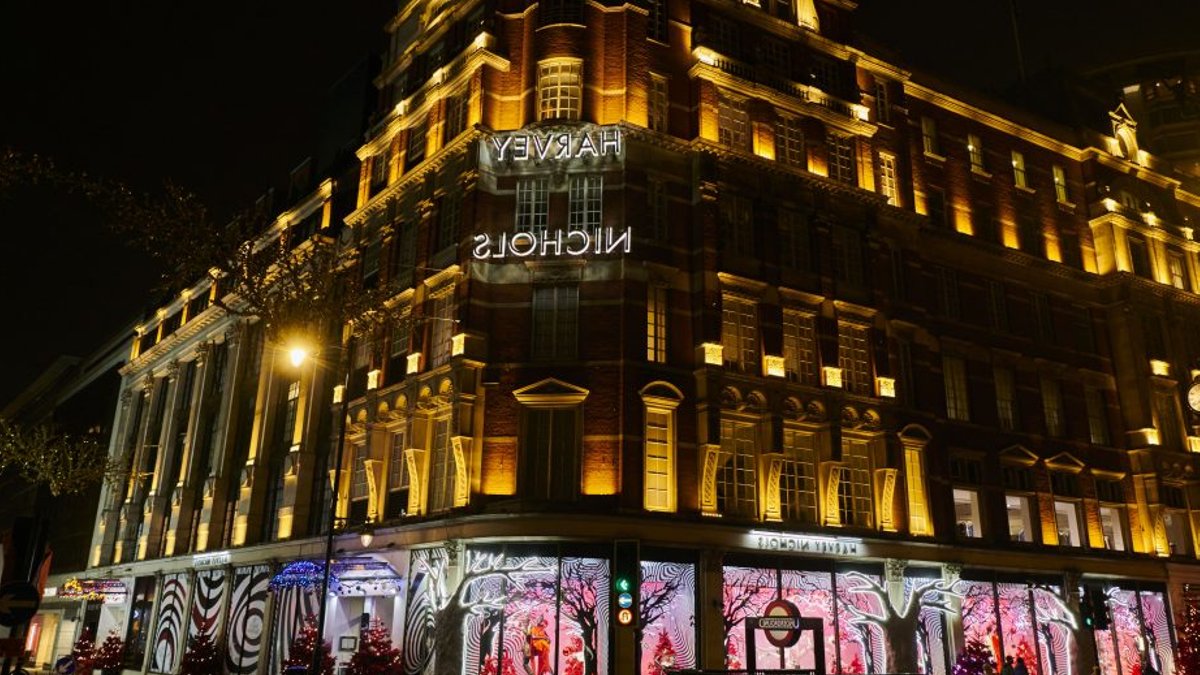
Frasers Group has acquired Harvey Nichols for roughly £40 million, marking a significant expansion of the retailer’s luxury ambitions. The deal, completed through a pre-pack administration, brings six UK stores and its ecommerce operation into the Frasers empire, alongside more than 1,000 employees. While the price tag might suggest a bargain, the challenge of integrating the 195-year-old department store into a group built on discount sportswear presents a complex set of operational hurdles.
The price of prestige
Mike Ashley, the billionaire who founded Sports Direct, now controls a luxury department store network numbering more than 90 locations. This includes stakes in Burberry and Mulberry, investments in Hugo Boss, and the American retailer The Webster. For Gucci, Prada, Dior and Moncler, Frasers is becoming a difficult distribution partner to ignore. The group explicitly stated that the acquisition would deepen relationships with these leading global luxury brands.
Related: Retailers consider banning smart glasses
The Knightsbridge flagship in particular gives the group a globally recognised luxury address that Flannels has never quite possessed. That location sits in one of the world’s most important luxury shopping districts, potentially providing the credibility Frasers needs to convince the industry of its transformation. However, the source material notes that this is not a purchase made at the height of Harvey Nichols’ powers. The retailer recorded five consecutive years of losses, with revenue falling from £216.6m to £204.9m in the year to March 2024. Pre-tax losses widened to more than £35m.
Accounts prepared on a non-going-concern basis made the urgency of finding a buyer clear. Sir Dickson Poon’s family, which owned the business for 35 years, called time on the retailer. While Frasers won the auction, prospective buyers were reportedly warned that as much as £60m could be required to transform the business. The £40m entry fee may therefore be just the start of a much larger capital commitment.
Restructuring the estate
Frasers has wasted little time signalling that sentimentality will not dictate the future of the acquired business. The group stated that Harvey Nichols requires “significant restructuring,” including a review of its store portfolio, organisational structure and cost base. Chief executive Michael Murray has made clear that the group is prepared to operate a smaller Harvey Nichols in the short term if that produces a more sustainable business. This puts a sizeable question mark over parts of the regional estate.
Related: Harry Potter store opens on Oxford Street
Reports have previously suggested that some regional Harvey Nichols stores could eventually be converted into Frasers or Flannels locations, although no such plans have been formally confirmed. It would hardly be unfamiliar territory; Frasers bought House of Fraser out of administration in 2018 and has since dramatically reduced its estate while developing smaller and more premium Frasers department stores. Murray has previously declared that the traditional department store model is “broken,” arguing that enormous, underinvested stores have become commercially unsustainable.
The collapse of Matchesfashion, which Frasers bought for £52m in 2023, shocked the luxury industry and left some suppliers facing substantial losses. That experience makes the repeated references to brand partners in the acquisition announcement particularly significant. Luxury retail runs on more than purchasing power, and brands fiercely protect distribution. Getting the right collections from fashion houses and convincing those houses that their products will be presented appropriately can be just as important as footfall. Ashley insists the group’s approach to luxury has evolved, emphasizing scarcity and protecting brands rather than simply cutting prices. Whether that philosophy works in practice remains to be seen.


