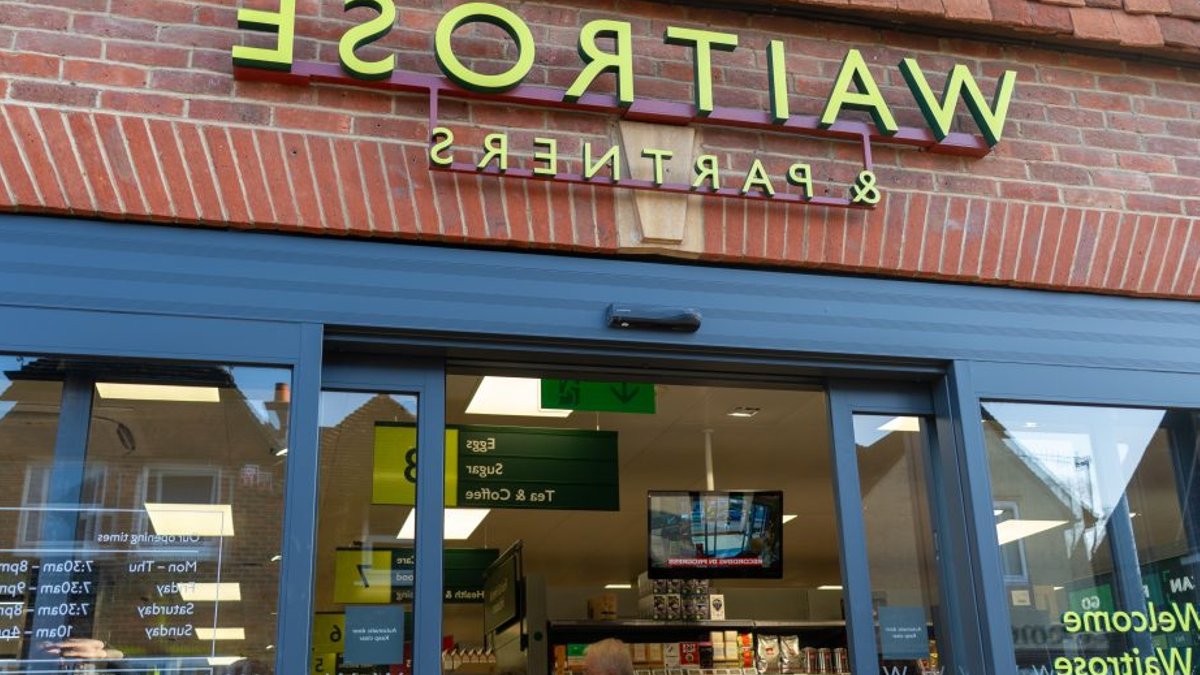
Waitrose will keep its late-night and 24-hour grocery delivery service running at 35 stores after a trial during the World Cup showed strong demand for after-hours orders. The decision marks a strategic response to evolving consumer habits, particularly among those who prioritise convenience over traditional shopping hours. By maintaining extended delivery windows, Waitrose aims to cater to a growing segment of customers who no longer adhere to conventional retail schedules, whether due to work commitments, lifestyle choices, or unexpected needs.
The supermarket chain first tested extended delivery hours at more than 50 locations last month. Most of those stores saw enough late orders to justify making the change permanent, the company said. The trial period coincided with the World Cup, a time when social gatherings, shift work, and irregular routines often disrupt standard shopping patterns. The surge in late-night orders during this period demonstrated that demand for after-hours groceries extends beyond occasional events, suggesting a more permanent shift in how people plan their meals and household supplies.
Midnight deliveries become standard at most locations
Of the 35 stores now offering longer hours, most will deliver until midnight. A smaller number of high-demand sites will operate around the clock, allowing customers to place orders at any time. These 24-hour locations are likely situated in areas with high concentrations of night workers, such as healthcare professionals, hospitality staff, or transport employees, who may require groceries outside typical retail hours. The ability to order at unconventional times also benefits parents managing unpredictable childcare schedules, students studying late, or individuals who simply prefer to shop during quieter periods.
Orders can include fresh food, ready meals, and snacks, with deliveries arriving in as little as 20 minutes. The speed of service is a key factor in the appeal of quick-commerce, as it eliminates the need for last-minute store visits while still providing perishable items like dairy, produce, or chilled meals. The integration with third-party apps Deliveroo, Uber Eats, and Just Eat ensures that customers can use platforms they are already familiar with, rather than handling a separate grocery delivery system. This seamless experience reduces friction for users who may already rely on these apps for restaurant deliveries or other on-demand services.
Waitrose director of online Laura Burbedge said the move reflects how customers now expect to shop on their own schedules. “The World Cup proved that our food-loving customers value the flexibility of shopping at Waitrose whenever they need us,” she said. “By extending our delivery windows, we’re making it even more convenient to access the delicious, high-quality food our customers love.” The emphasis on flexibility aligns with broader retail trends, where consumers increasingly expect services to adapt to their lifestyles rather than the other way around. For Waitrose, this means recognising that meal planning is no longer confined to daytime hours and that spontaneity—whether for a late-night craving or an unplanned dinner—is a growing part of modern grocery shopping.
For shift workers, parents with unpredictable schedules, or anyone who simply forgets to plan ahead, the change means one less trip to the store. The convenience extends beyond mere time-saving; it also addresses the logistical challenges of shopping in person, such as transportation, parking, or handling crowded aisles. Late-night deliveries can be particularly valuable for those who work irregular hours and may not have the energy or time to visit a supermarket after a long shift. Similarly, parents juggling childcare may find it easier to order groceries during a child’s bedtime routine rather than attempting to shop with them in tow. The service also benefits individuals who realise mid-evening that they are missing a key ingredient for a recipe or who want to avoid the hassle of a last-minute store run.
Related: Retail sales growth stalls in late July
The convenience comes at a cost—delivery fees and potential markups on some items—but for those who value time over savings, the trade-off may be worth it. The financial premium reflects the operational complexities of maintaining extended delivery hours, including staffing, logistics, and the coordination required to fulfil orders quickly. While some customers may balk at the additional expense, others will view it as a justified cost for the ability to access groceries at any hour. The pricing structure also mirrors the broader gig economy model, where speed and convenience are monetised, and users pay a premium for immediacy. For Waitrose, this model allows the retailer to serve a niche but growing market without overhauling its entire supply chain or store operations.
Quick-commerce growth reshapes grocery habits
The decision follows a broader trend in grocery retail, where rapid delivery services have expanded beyond urban centers. While Waitrose’s move is smaller in scale than some competitors, it signals a shift in how supermarkets view late-night demand. The rise of quick-commerce has been driven by consumer expectations for instant gratification, a trend accelerated by the pandemic when online grocery shopping became a necessity rather than a luxury. As more retailers enter the space, the competition has pushed companies to differentiate themselves through service quality, product range, and delivery speed. Waitrose’s focus on high-quality food and extended hours positions it as a premium option within this setting, appealing to customers who prioritise freshness and reliability over the lowest possible price.
The company did not disclose which stores would offer 24-hour service, but said the selection was based on customer ordering patterns during the trial. The criteria for choosing these locations likely included factors such as order volume, geographic demand, and the availability of delivery drivers during off-peak hours. Stores in densely populated areas or near hospitals, universities, or entertainment districts may have been prioritised, as these locations tend to generate higher late-night demand. The decision to limit 24-hour service to a subset of stores also reflects a cautious approach, allowing Waitrose to test the model’s viability before committing to a wider rollout. This data-driven strategy ensures that resources are allocated efficiently, reducing the risk of over-expansion in areas where demand may not justify the operational costs.
The extended hours apply only to deliveries, not in-store shopping. This distinction highlights the logistical challenges of keeping physical stores open around the clock, which would require additional staffing, security, and overhead costs. By focusing on deliveries, Waitrose can leverage existing infrastructure—such as its partnerships with third-party apps—to meet late-night demand without the need for significant capital investment. The model also allows the retailer to maintain its reputation for quality, as delivery orders are typically fulfilled from the same inventory used for in-store customers, ensuring consistency in product freshness and selection.
Waitrose has not ruled out further expansions if demand continues to grow. For now, the focus remains on making its existing quick-commerce service more accessible, rather than adding new locations. The company’s measured approach suggests a preference for incremental growth, where each phase of expansion is informed by real-world data rather than speculative projections. This strategy minimises financial risk while allowing Waitrose to refine its operations based on customer behaviour. If late-night demand proves sustainable, the retailer may eventually extend the service to more stores or introduce additional features, such as scheduled deliveries or expanded product ranges for overnight orders. Until then, the current rollout serves as a test case for how traditional supermarkets can adapt to the quick-commerce era without compromising their core values of quality and customer service.


