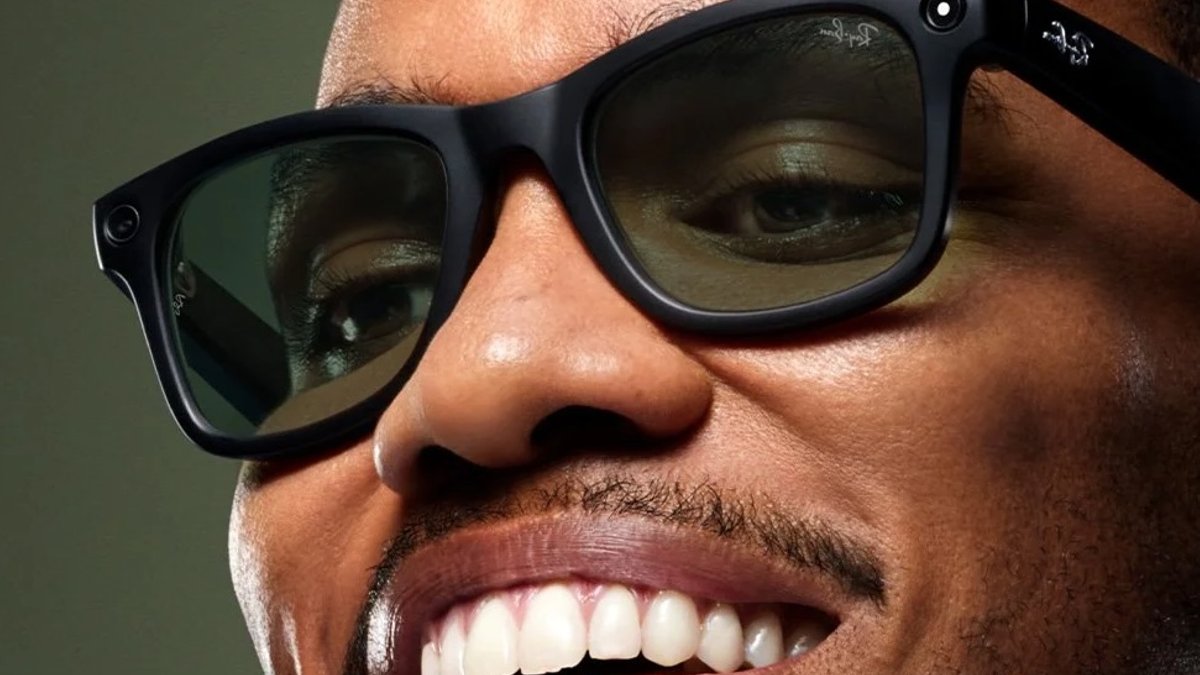
Retailers should consider banning smart glasses from their stores. The question has moved beyond a niche debate as camera-equipped eyewear becomes increasingly common. In 2021, Ray-Ban and Meta released a pair of glasses that looked like ordinary eyewear but captured video and audio. These devices have evolved from a tech novelty to a genuine privacy headache for businesses. Pubs, restaurants, and courts have already restricted their use, sparking a discussion about whether retail stores should follow suit.
The invisible camera problem
Shop floor staff already face enough challenges without worrying about being filmed. Usdaw, the trade union for shopworkers, has warned that footage can be edited, uploaded, and used to misrepresent employees. Smart glasses make this risk more acute because the recording device is often hidden. The blinking light on the side of the glasses is small and easy to miss across a crowded aisle or at a checkout. This creates an uncomfortable imbalance where the customer knows they are recording, but the colleague may have no idea the camera is rolling.
Related: Russell & Bromley plans high street return
Some might argue that smartphones are already cameras, but the difference lies in visibility. A person holding a phone points it directly at a subject. The intent feels more deliberate. With smart glasses, the user looks like a normal customer browsing the shelves. The technology allows for hands-free operation from the wearer’s point of view, which changes how the footage is captured and perceived. This subtle difference forces staff to constantly look over their shoulders rather than focusing on their work.
Regulation versus convenience
Despite the risks, an outright ban on the hardware itself is difficult to justify. These devices do more than record video; they handle calls, offer translation services, and act as a hands-free assistant. For many disabled customers or employees, wearable technology may be a necessary reasonable adjustment under employment law. Banning the glasses entirely could alienate a segment of the customer base or violate equality obligations. Employment lawyers have already cautioned that businesses must balance privacy concerns with these legal duties.
Related: Dr Martens appoints Alia Gogi non-exec director
Instead of banning the hardware, many experts suggest focusing on behavior. Stores are private premises, and businesses have the right to set rules regarding filming on their property. A clear policy prohibiting the recording of colleagues or customers without permission is a practical solution. Retailers could implement this through signage, updates to customer conduct codes, and staff training. This approach allows customers to use the technology for its intended functions while protecting staff from covert recording.
Smart glasses are no longer a passing fad. Figures indicate that more than 7 million pairs were sold last year, moving the devices from novelty to mainstream consumer technology. With courts in England and Wales banning the devices and pub chains like Wetherspoon restricting their use, the pressure is mounting. Retailers should not wait for a high-profile incident to force their hand. The most viable path forward is to update the rulebook to address the specific privacy risks of this technology without banning the glasses themselves.


