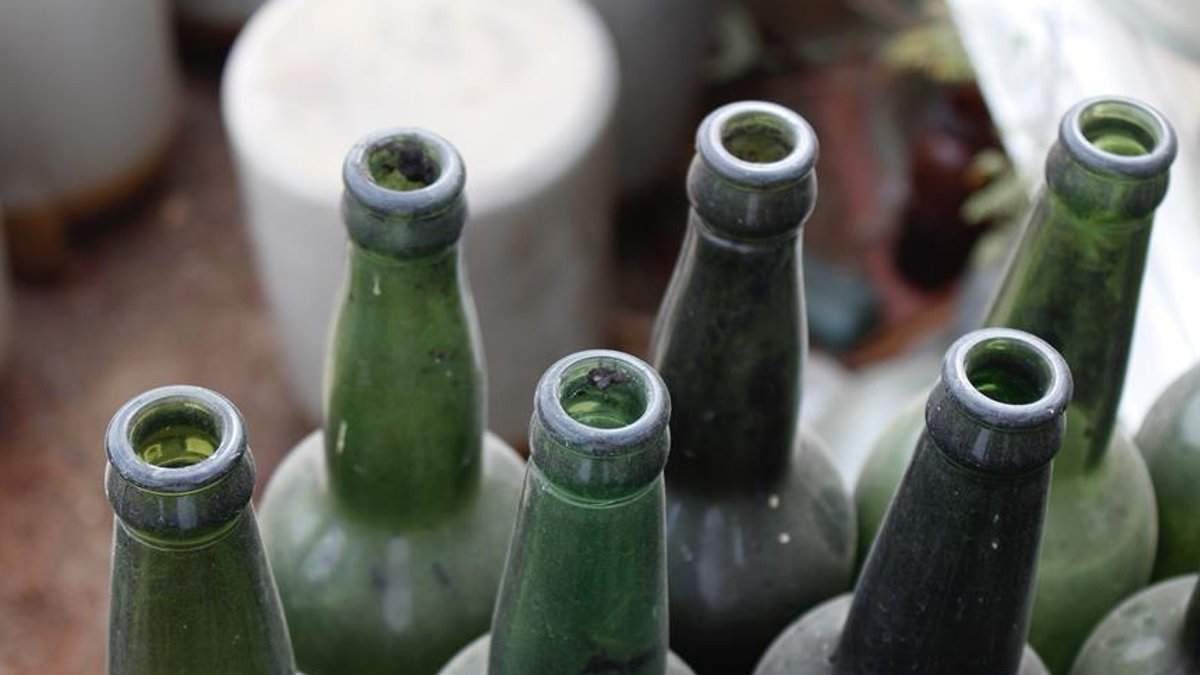
The UK government has introduced relief measures for hospitality businesses and glass manufacturers under its Extended Producer Responsibility (EPR) packaging tax. The adjustments include fee reductions of up to 40% and an exemption for glass drinks containers sold directly to pubs and restaurants, effective April 2027.
Industry representatives had long warned about the financial strain and unintended consequences of the EPR scheme. Glass producers, who had raised concerns over investment risks and potential job losses, now view the fee reductions as a partial remedy. British Glass, the trade body for the sector, described the government’s move as a “welcome sign,” acknowledging the industry’s recycling contributions. The group also supported the government’s plan to expedite modulation factors—cost adjustments based on packaging recyclability—while calling for a full review of fee structures.
Nick Kirk, executive director of British Glass, stated that while the exemption’s full impact remains unclear, the government’s recognition of hospitality challenges is encouraging. The exemption will particularly benefit the wine and spirit sector, which accounts for half of all glass drinks containers in the UK. The Wine and Spirit Trade Association (WSTA) labeled the fee cuts a “late but welcome correction” after two years of advocacy. Miles Beale, the association’s chief executive, highlighted how mounting costs had threatened business viability, and credited lobbying efforts with securing the change. For pubs and restaurants, the exemption removes an additional financial burden they had absorbed alongside procurement expenses.
Glass relief spares brewers but leaves pubs behind
The relief extends beyond glass, with the British Beer and Pub Association estimating cost reductions in the tens of millions for brewers. However, Emma McClarkin, the association’s CEO, cautioned that leased pubs, many operating as small businesses, could still face exclusion from the benefits. She urged the government to ensure equitable distribution across all pubs, not just brewers.
Not all sectors share the optimism. The Food and Drink Federation (FDF) expressed concern that lowering glass fees would simply transfer costs to other materials, particularly plastics and metals. Balwinder Dhoot, the federation’s sustainability director, noted that flexible plastic producers already face higher fees due to delayed kerbside recycling collections, a policy decision outside their control. “For manufacturers that use flexible plastic this is a further blow on top of Defra’s decision to delay kerbside collection of those materials for recycling,” he said.
Retailers remain frustrated with the government’s approach. The British Retail Consortium (BRC) criticized repeated EPR rule changes without corresponding improvements in recycling infrastructure. Naomi Brandon-Bravo, the BRC’s sustainability head, described the adjustments as “unacceptable,” noting that businesses had planned for gradual fee changes under eco-modulation. Instead, they now face accelerated costs with unclear mechanisms for funding recycling improvements.
Plastic and metal firms face cost shifts
Social enterprises operating under charitable models also face unfair treatment. Belu Water, which directs all net profits to WaterAid, has already incurred £1.1 million in EPR-related costs over two years, funds that could have supported clean water projects. Charlotte Harrington, Belu’s CEO, argued that the scheme fails to differentiate between commercial and social-purpose businesses, penalizing those prioritizing environmental and humanitarian objectives.
British Glass emphasized that the reforms must extend beyond glass to support other recyclable materials like metal and paper, which also face challenges under the current EPR structure. The trade body described the government’s call for evidence on modulation and reuse as a potential turning point, though timing remains contentious. The Food and Drink Federation warned that while glass fees may decrease, the total cost burden will shift to other materials, particularly flexible plastics, without resolving the underlying issue of delayed kerbside recycling collections.
A representative from the British Soft Drinks Association noted that indirect supply, where containers are sold through distributors rather than directly to venues, remains unresolved. The group supported the announced ratio-based approach for indirect supply but called for clearer guidelines to prevent further confusion.
Belu Water’s CEO reiterated that social enterprises, which operate under distinct financial models, remain disproportionately affected. While the government’s adjustments provide some relief, they do not retroactively alleviate the financial strain already imposed on such organizations.


