Celebrity collaborations in marketing have become so common they barely turn heads anymore. But when they work, they cut through the noise—nostalgia, authenticity, and a little humor can make the difference between a viral moment and a forgettable ad.
When the chemistry clicks
Beefeater’s recent campaign with Jay Kay, frontman of Jamiroquai, leaned hard into nostalgia. The gin brand’s ad for its non-alcoholic Beefeater 0.0 marked the 30th anniversary of the singer’s hit Virtual Insanity, recreating the song’s iconic music video set—this time with Kay holding a bottle of the new product. The spot worked because it paired something familiar with something new, and the cinematography didn’t hurt.
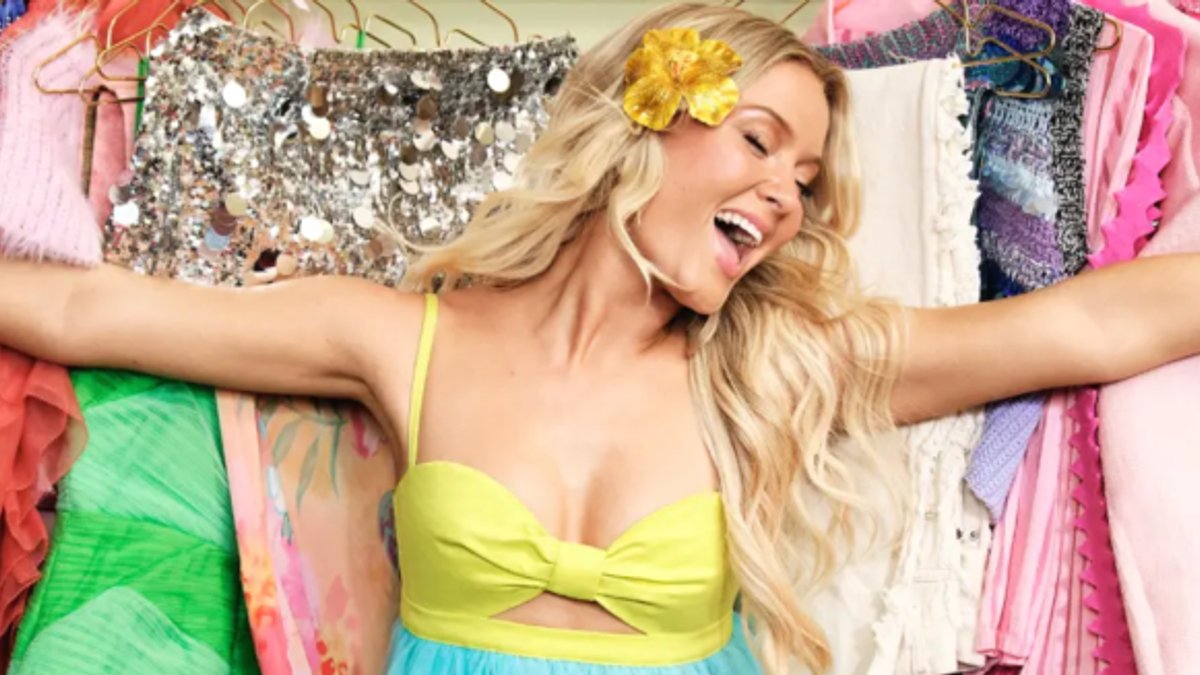
Depop’s collaboration with pop star Zara Larsson also stood out. The secondhand marketplace didn’t just slap her name on a campaign; Larsson curated an exclusive edit of 20-30 pieces, blending her personal style with the platform’s aesthetic. The result felt organic, not forced—a rare win in celebrity marketing.
Related: M&S switches food deliveries to electric trucks
Redken’s partnership with actress Carpenter (last name not provided in the source) took a similar approach. The ad played to her offbeat humor and vintage style, making the brand feel more like an extension of her personality than a corporate endorsement. It wasn’t new, but it didn’t need to be.
When the pairing falls flat
Not every celebrity collab lands. Charles Tyrwhitt’s Summer of Sport campaign featured four athletes—cricketers Joe Root and Stuart Broad, golfer Luke Donald, and baseball player Anthony Volpe—but the execution felt generic. The ad didn’t resonate outside sports circles, blending into the background instead of standing out.
Doritos Loaded’s team-up with chef Gordon Ramsay and Formula 1 driver George Russell took the opposite approach: it tried too hard. The concept of an unusual pairing might have worked, but the execution came off as jarring rather than clever. Sometimes, less is more.
Then there was Casillero del Diablo, the Chilean wine brand that named Orlando Bloom its global ambassador. The announcement didn’t offer anything new—just another celebrity face attached to a product. It didn’t surprise, intrigue, or even entertain. In an era where consumers expect more, that’s not enough.
Related: Channel Factory deploys ad quality control tool
Most celebrity collabs follow a simple formula: find a star, slap them next to a product, and hope for the best. The ones that succeed do something different. They don’t just borrow fame—they borrow personality, history, or a shared moment with the audience. The rest? They fade into the noise.
What happens next isn’t hard to predict. Brands will keep chasing the next big name, hoping for another viral hit. Some will get lucky. Others will spend millions on ads that feel like background music. The real test isn’t whether a celebrity can sell a product—it’s whether they can make people care.
For now, the best collabs are the ones that feel like a conversation, not a sales pitch. The worst? The ones that make you wonder why anyone thought it was a good idea in the first place.


