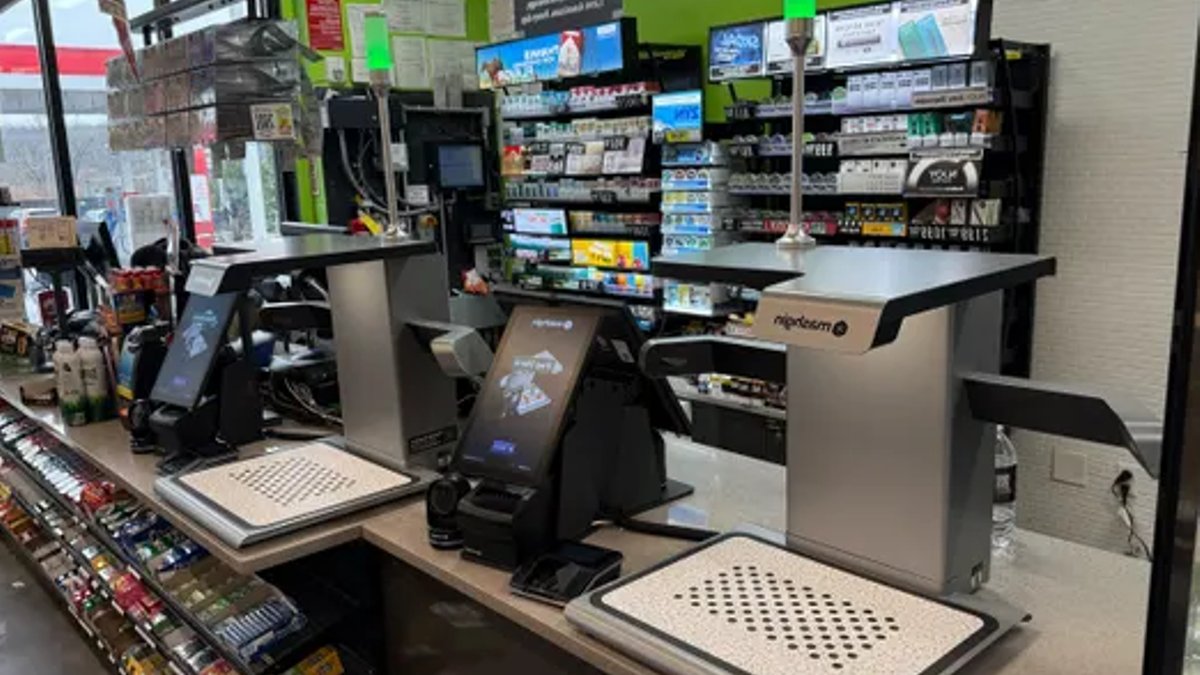
According to PAR Technology, while many shoppers are open to artificial intelligence in retail settings, certain uses may be unappealing. AI is increasingly integrated into convenience store operations, from customer service chatbots and streamlined back-office tasks to enhanced loyalty programs and self-service ordering systems. Beyond checkout, AI tools are already handling customer inquiries, optimizing workflows, and enabling kiosks that allow shoppers to place orders independently, without staff involvement.
While convenience stores increasingly adopt AI-driven solutions, gaining customer acceptance remains key. Research from PAR Technology reveals that 40% of shoppers, and a striking 61% of Gen Z consumers, believe openness about AI use is the most effective way for stores to earn their trust. This insight appears in the 3 Big Numbers series, which examines key trends in the convenience retail sector; readers are encouraged to share their thoughts.
Consumer Views on C-Store AI Integrations
The report explored what consumers think about the use of AI in convenience stores. When asked where in the store they would prefer AI be used, 55% of respondents said faster checkout, followed by keeping products in stock at 39% and better loyalty rewards at 37%.
PAR asked respondents to pick a single priority if they had to choose where AI should be deployed, forcing a clear ranking of preferences.
Most customers have already interacted with AI at the checkout, with 60% reporting they’ve used self-service kiosks and 39% having tried automated cashier systems in convenience stores.
Personalized Recommendations and Automation
Loyalty programs have been updated to include more personalization, but retailers might want to be careful. More than half of respondents said they would trust AI to recommend personalized deals based on their purchase history. However, when asked how they would feel about AI making personalized recommendations if data on their location and travel patterns were added, only 25% said they would be excited and 31% said they would feel uncomfortable to some degree.
50% of respondents said a store is too automated if they can’t easily reach a real employee, while 46% said it’s a problem when there are very few employees in the store. Having human employees available when needed was the second most important way to build trust in AI use.
According to the report, “A loyalty-app coupon uses information customers already gave the store on purpose, in exchange for a clear benefit. A recommendation built from where someone’s been driving feels like AI reaching for information they didn’t hand over willingly.”
Just 8% of those surveyed told PAR Technology that stores could never rely too much on automation, though the findings show that even advanced technology falls short without engaged, well-trained employees who create a welcoming atmosphere.


