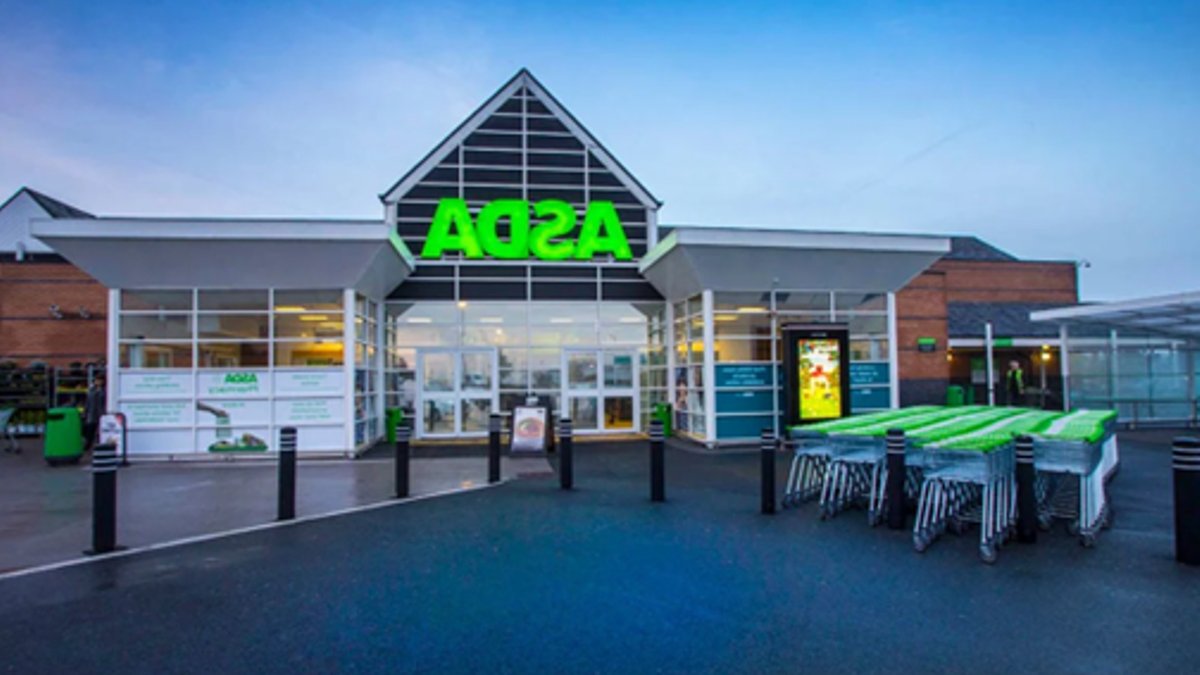
Asda is rolling out a retail crime reporting platform across all its stores after a London trial recovered over £100,000 in stolen goods and improved crime prevention rates by 55%. The supermarket tested Auror in 30 locations over 10 weeks, reducing incident reporting time from 25 minutes to under five.
The technology combines in-store crime data into one system, helping retailers and police detect patterns and focus on repeat offenders. During the trial, trained Asda staff reviewed CCTV footage of thefts and serious incidents before uploading it to Auror. The platform then merged these reports with data from other retailers to assist investigations.
Asda chief operating officer David Lepley stated the rollout would improve the company’s ability to address retail crime. “The London pilot showed the benefits of faster, more effective reporting and real-time identification of repeat offenders,” he said. “By collaborating with police and other retailers through a shared network, we can direct our efforts where they matter most.”
The trial and national expansion did not use live facial recognition.
Auror’s UK and Europe general manager Mark Gleeson noted the trial helped identify dozens of repeat offenders, many of whom also targeted other retailers on the network. “Retailers are now working more closely with police through digital tools,” he said. “This approach reveals the true scale of offending, allowing businesses to assess risks across their stores and concentrate resources on the most dangerous offenders.”
Related: The Entertainer to open massive new store
Data from the platform indicates a small group of offenders drives most retail crime. These individuals are far more likely to act violently or use weapons.
The expansion follows a rise in violence against shop workers. An industry survey found employees faced around 1,600 daily incidents of abuse or violence in 2025, including 36 involving weapons. Asda has invested over £90 million in security over the past two years, adding body-worn cameras, upgraded CCTV, and extra barriers.
Retailers have used shared data before to fight organized theft. Similar networks in the U.S. disrupted crime rings targeting multiple stores, though results depend on police involvement. Scaling this collaboration without overwhelming law enforcement with minor cases remains a challenge.
Asda’s move reflects a shift in retail security toward real-time intelligence. Prevention now relies on digital tools as much as physical measures. Whether these systems can outpace offenders, who quickly adapt to surveillance, remains uncertain.
A similar approach was taken when fleet tracking launched in the West Midlands, using shared data to improve efficiency and security.


