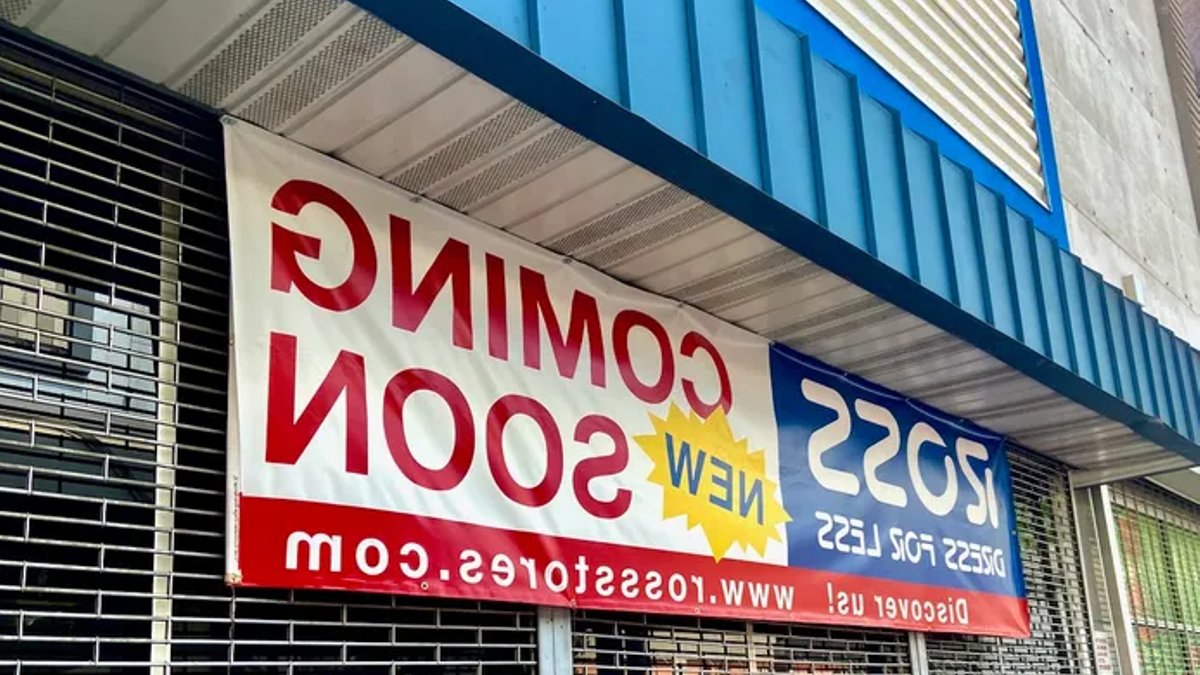
Ross Stores posted a 10% increase in second-quarter comparable sales, marking its second consecutive quarter of double-digit growth. Customer traffic rose over 16% during the period, driven by new shoppers, returning customers, and more frequent visits from existing ones.
Ross outpaces TJX in off-price race
The results sharply differed from those of off-price leader TJX Cos., whose Marmaxx division—home to T.J. Maxx and Marshalls—reported only a 1% comparable sales increase the previous day. Analysts at Wells Fargo described Ross as “retail’s leader” in a research note, while William Blair analysts indicated the company had likely gained market share from TJX.
Ross CEO James Conroy, who assumed leadership early last year, has been revamping the company’s merchandising and marketing efforts. Total sales climbed 13% to $6.3 billion in the quarter. Operating margin expanded by 205 basis points, excluding $253 million in tariff refunds that made up most of the 610-basis-point increase. Net earnings rose 68% to $851.3 million.
Company leaders anticipate continued momentum, projecting 6% to 7% comparable sales growth in the third quarter and 4% to 5% in the fourth. Analysts at William Blair suggested the gains could persist through at least 2027 before settling into a more typical low-single-digit pace.
Conroy confirmed the company had gained market share in off-price retail but avoided directly naming TJX as the source. “Over the last four quarters, we’ve grown stronger than each of the other two players,” he told analysts, likely referencing TJX and Burlington. “Mathematically, we’ve captured more share.”
He acknowledged the competition but emphasized broader industry trends. “They’re both extremely well run,” he said of TJX and Burlington. “We’re all competing against each other, but we’re also taking share from other parts of retail.”
Related: Victoria’s Secret Overhauls Tech Team
Pricing strategy wins over budget-conscious shoppers
The performance gap may stem from pricing differences. While TJX raised prices over the past 18 months, Ross limited its increases. In an economy where consumers carefully evaluate spending—whether on essentials or discretionary items—this approach has proven effective.
Analysts at William Blair noted that Ross’s stronger value proposition was likely attracting customers. “It’s nearly impossible to think some of that isn’t coming at TJX’s expense,” they wrote.
Conroy didn’t challenge the assessment but refrained from targeting competitors. “We want off-price retail to succeed,” he said. “We just want to be the biggest part of that success.”
The strong quarter led Ross to expand its store growth plans. The company now expects to open 115 new locations in 2026, up from an earlier target of 110. In the second quarter alone, it added 35 Ross stores and 12 DD’s Discounts locations.
For now, the numbers show Ross has developed a successful approach. Retail trends, however, often shift, and even the most effective strategies face new pressures—whether from changing consumer behavior, economic conditions, or competitors adapting.
Off-price retailers have also faced challenges in other segments. Sales declines at major brands highlight how quickly market conditions can change.


