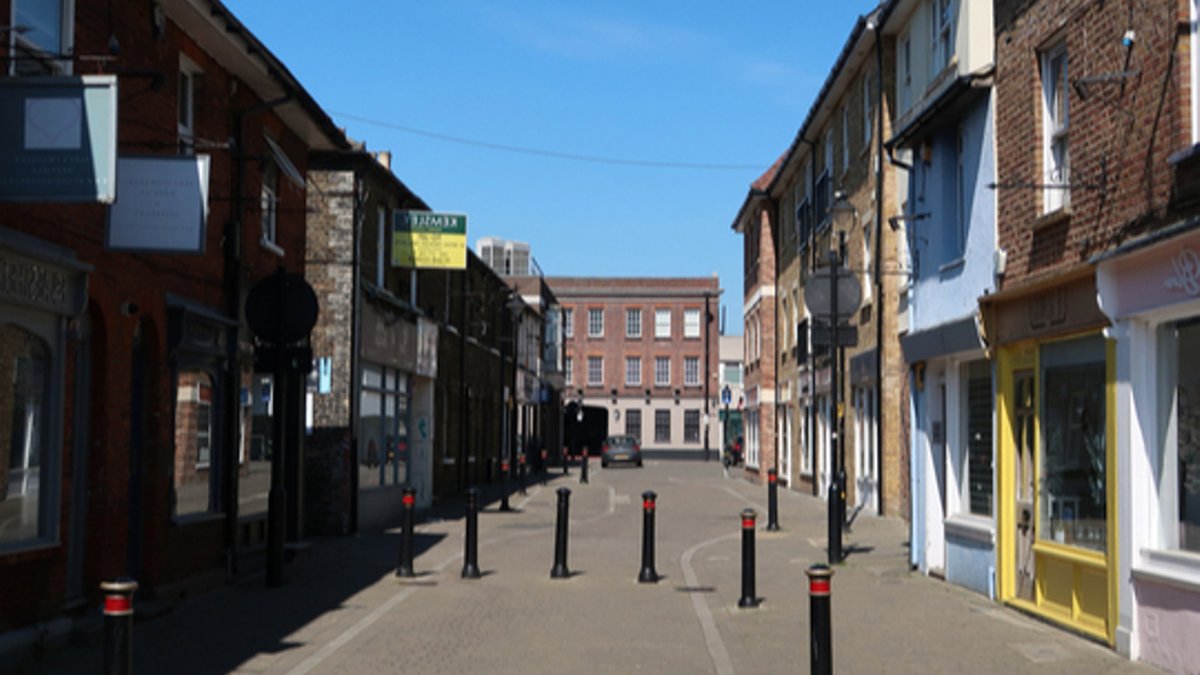
UK retail footfall fell again in July as a heatwave kept shoppers off the high street, according to the latest BRC‑Sensormatic data.
Overall footfall down, but high street hit hardest
Total visits across the United Kingdom dropped 2.1 percent year‑over‑year from 5 July to 1 August. The decline marks an improvement from June’s 3.4 percent fall but still shows a downward trend.
High street footfall slipped 3.8 percent in July, better than June’s 6.2 percent drop but still the sharpest decline among retail locations. Shopping centres saw a 1.4 percent decline, while retail parks bucked the trend with a 1.2 percent increase.
Regionally, Scotland posted a 2.7 percent rise and Northern Ireland a 2.6 percent gain. Wales stayed flat, and England fell 3.0 percent, with London down 5.3 percent.
Industry voices attribute the dip to extreme heat
Helen Dickinson, chief executive of the British Retail Consortium, said the heatwave “continued to bear down on retail footfall in July, with high streets worst affected.” She noted that soaring temperatures made tube and train travel less appealing, prompting some commuters and shoppers to stay home.
Related: Dunelm unveils AI shopping assistant with Google Cloud
Andy Sumpter, head of consulting and analytics for Sensormatic EMEA, added that the “exceptionally hot and historically dry weather is likely to have been a significant factor, discouraging shopping trips and particularly impacting high streets.” He highlighted that six of the first seven months of 2026 have performed worse than the same period a year earlier.
While the data show fewer visits, retailers are adapting. Investments in air conditioning and more efficient refrigeration are being paired with sustainability initiatives aimed at cutting carbon emissions. However, Dickinson warned that “business rates often punish stores for such investments,” suggesting a need for policy review. Such measures remain vulnerable to the current rating system that ties commercial property taxes to floor‑space rather than environmental performance.
Retail parks’ modest growth and the slight rebound in shopping centre visits suggest that consumers still travel to larger destinations, even if they make fewer retail trips once there. The sector’s focus now is on turning these selective visits into meaningful spend as summer continues.
Overall, the July data illustrate how a single weather event can ripple through multiple layers of the retail ecosystem, influencing traveler behavior, regional performance, and strategic investment decisions across the sector.


