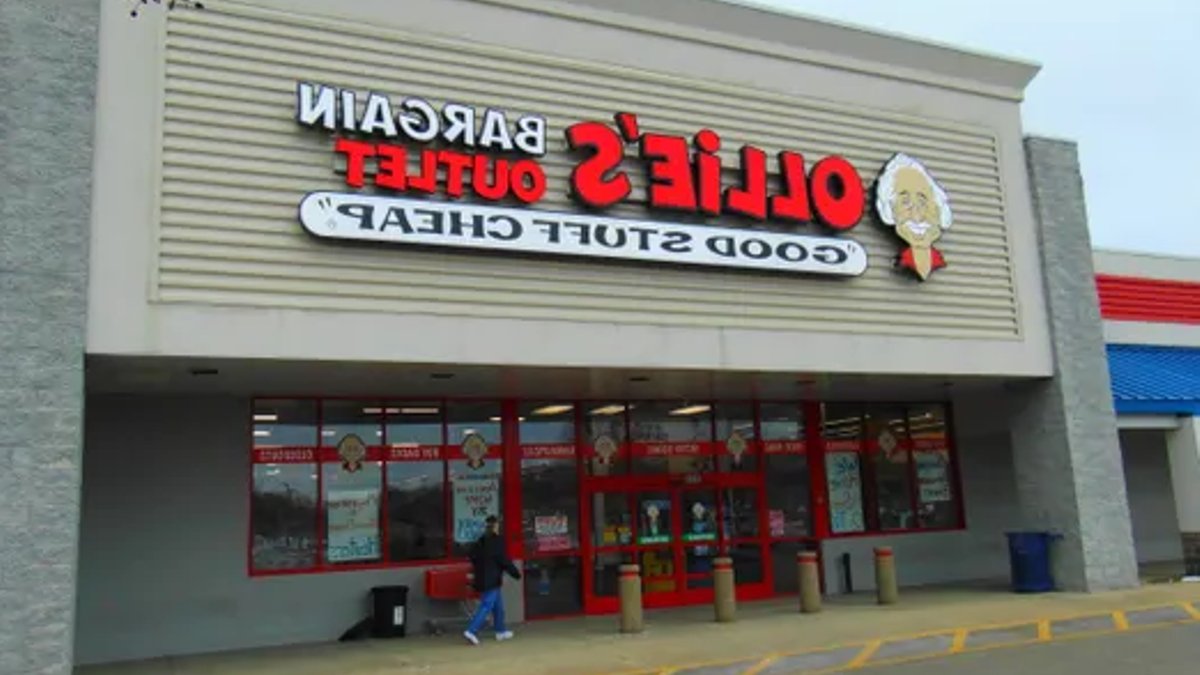
Ollie’s Bargain Outlet said it will pour $15 million into lowering prices, a move aimed at keeping its reputation as a low‑price leader amid a tough consumer environment.
Price‑cut investment and executive outlook
Executives told analysts that about $10 million of the budget will be deployed in the second half of the year, and the amount could rise if needed. “We build trust with customers by being the lowest price in the market on items every day,” CEO Eric van der Valk said on a conference call. He added that high‑low promotions and heavy coupon use “erode customer trust and damage our value proposition.”
The company said it balances price and margin “very carefully.” CFO Robert Helm noted that the quarter’s challenges – weather, consumer caution and aggressive competitor pricing – were hard to separate, but all weighed on sales.
Quarterly performance shows mixed signals
In the second quarter, Ollie’s gross margin rose 360 basis points to 43.5 %, helped by a 380‑basis‑point boost from tariff refunds and lower supply‑chain costs. Net sales climbed more than 9 % to $741.3 million, driven largely by new store openings.
Related: FTC claims Amazon ad fees cost brands billions
Comparable sales, however, fell nearly 2 %. The dip came as weather events disrupted shopping, consumers tightened spending, and rivals slashed prices. The retailer opened 14 net new stores after closing one damaged by a storm, ending the period with 686 stores across 36 states – an increase of almost 12 %.
Loyalty membership grew about 13 % to over 18 million members, reflecting steady shopper engagement despite the sales miss. Ollie’s also expanded its footprint by taking over leases from several Big Lots locations and about a dozen 99 Cents Only stores earlier in the year.
Helm described the comparable‑sales shortfall as “a weird year,” adding that the retailer expects a return to its usual operating pattern by 2027. He said the company sees the current quarter as an outlier in a decade‑long record of solid comps, aside from the pandemic period.
For 2026, the outlook was trimmed. Store‑level comps are now expected to be flat or only modestly up, down from a prior 2 % growth forecast. Net‑sales growth guidance was also scaled back, though the plan to open 75 new stores remains unchanged.
Related: Russell & Bromley plans high street return
Given Ollie’s history of steady comparable‑sales growth before the pandemic, the present dip looks more like a temporary setback than a lasting shift. The firm’s long‑standing strategy of low‑price leadership suggests it will lean on the new price‑cut budget to re‑establish momentum.
The upcoming investment will likely focus on everyday items, aiming to keep shelves stocked at prices that undercut rivals without resorting to heavy promotions. Analysts will watch whether the additional discounting translates into higher foot traffic and whether margin pressure remains manageable.
While the company’s margin expansion this quarter shows some resilience, the real test will be whether the price‑cut program can offset the competitive and weather‑related headwinds that squeezed sales. The next few quarters should reveal if the $15 million push restores the growth trajectory Ollie’s has pursued for years.


